Standard Bhutan tour package is an exotic trekking package, to explore “The Mythical beast Kingdom.” It has a many excitement to offer you, beyond your imagination and expectation. Bhutan is also called “the land of Thunder Dragon” and is the last Vajrayana Buddhist Kingdom on the planet.
Bhutan has its glory and pride, recognition by UNESCO as the most bio-diverse center on the planet. It lies in the shade of Himalayan range. It is additionally called “the land of Happiness” in accordance to the recent survey that stated that the general population of Bhutan are the most joyful individuals living in the earth.Bhutan is the nation that is culturally rich which will subsequently lure you to visit again. Bhutan is a genuinely entrancing nation.
The rich culture of Bhutanese individuals, the staggering regular magnificence and the variable climate of Bhutan will fill you with contentment. Bhutan has thirteen distinctive conventional craftsmanship and art rehearsed which is another motivation to visit Bhutan once. The government of Bhutan tries on the conservation and advancement of culture with a firm conviction that ensuring culture will help the nation to defend its dignity and glory. Their culture and cordiality will immerse you, and the normal excellence of Bhutan will leave your jaw drop to the least and fill you with happiness.
Bhutan tour visit will be a lifetime experience. If you want to immerse yourself in the depth of culturally rich nation, Bhutan is an ideal choice for you.
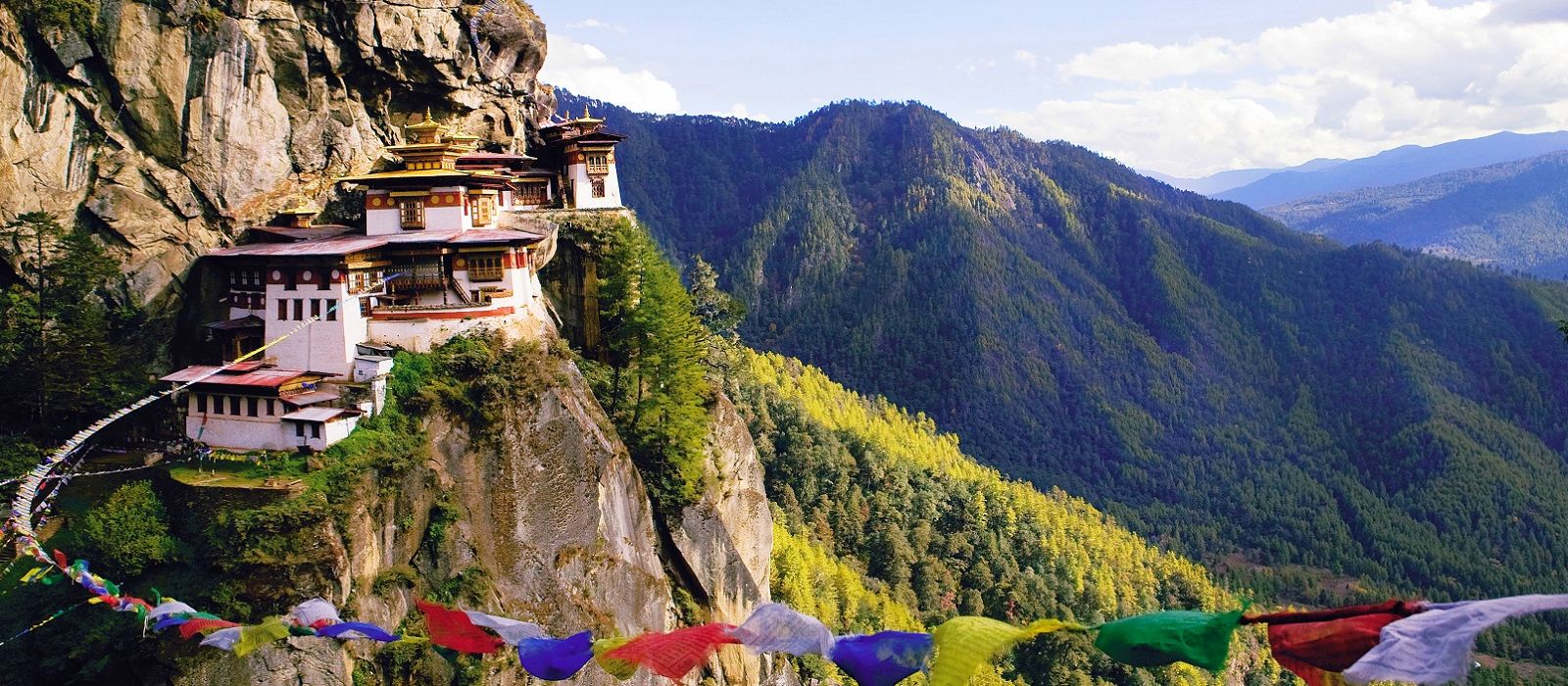
A standard Bhutan tour is a captivating journey into the heart of the Kingdom of Bhutan, a nation known for its unique culture, preserved traditions, and pristine natural landscapes. This immersive experience typically begins in the capital city of Thimphu, where travelers explore the vibrant streets, visit historic monasteries, and gain insights into Bhutanese life. The tour then proceeds to Paro, home to the iconic Tiger’s Nest Monastery (Taktsang Palphug), perched dramatically on the cliffs. This sacred site is a highlight of any Bhutan trip, offering awe-inspiring views and spiritual significance.
One of the defining features of a standard Bhutan tour is the opportunity to delve into Bhutanese culture and traditions. Travelers often visit ancient fortresses or dzongs, such as Punakha Dzong and Trongsa Dzong, where they can witness traditional festivals and rituals. Bhutan’s rich heritage is also showcased in its handicrafts, including intricate woodwork, vibrant textiles, and thangka paintings. Interactions with friendly locals and participation in local activities provide deeper cultural immersion. The tour also includes explorations of Bhutan’s serene countryside, with drives through lush valleys, terraced fields, and dense forests, allowing travelers to appreciate the country’s unspoiled natural beauty.
1. Do I need a visa to visit Bhutan?
Yes, all travelers to Bhutan require a visa. However, you cannot apply for a Bhutanese visa individually. You must book your trip through a licensed Bhutanese tour operator, and they will handle the visa application process on your behalf.
2. What is the best time to visit Bhutan?
The ideal time to visit Bhutan is during the spring (March to May) and autumn (September to November) when the weather is pleasant, and the skies are clear. These seasons offer excellent trekking conditions and vibrant landscapes.
3. Is the tour customizable?
Yes, most Bhutanese tour operators offer customizable itineraries. You can work with your tour operator to tailor the tour to your preferences, including the duration, destinations, and activities.
4. What is the currency in Bhutan, and can I use credit cards?
The currency in Bhutan is the Bhutanese Ngultrum (BTN). Credit cards are accepted in some hotels and larger shops in major cities like Thimphu and Paro. However, it’s advisable to carry some cash, especially when traveling to remote areas where card facilities may be limited.
5. Are there any clothing restrictions in Bhutan’s monasteries and dzongs?
Yes, there are clothing restrictions when visiting religious sites like monasteries and dzongs. Both men and women should dress modestly, covering their shoulders and knees. It’s recommended to wear full-length pants or skirts and avoid wearing shorts, sleeveless tops, or revealing clothing.
6. Is altitude sickness a concern during the tour?
The tour does not involve extreme altitudes. However, some destinations, such as Paro and Thimphu, are at moderate elevations. It’s advisable to acclimatize gradually and stay well-hydrated to minimize any potential altitude-related discomfort.
7. What is Bhutanese cuisine like, and can dietary preferences be accommodated?
Bhutanese cuisine often includes rice, vegetables, and meat dishes seasoned with spices. Chili peppers are a prominent ingredient in Bhutanese dishes. Vegetarian options are available, and dietary preferences can be accommodated with advance notice. However, international cuisine is also available in larger towns.
8. Are there any photography restrictions in Bhutan?
Photography is generally allowed in Bhutan, but there may be restrictions in certain areas, especially inside religious buildings. It’s essential to ask for permission or guidance when photographing people, and it’s courteous to respect their wishes if they prefer not to be photographed.
9. Is travel insurance required for the tour?
Yes, it is advisable to have travel insurance that covers medical emergencies, trip cancellations, and other unforeseen events. Check with your tour operator for specific insurance requirements.
10. What cultural etiquette should I be aware of in Bhutan?
Bhutanese culture places a high value on respect and modesty. It’s customary to greet people with a slight bow or nod of the head. When visiting temples and homes, it’s polite to remove your shoes. Always ask for permission before taking photographs of people, and avoid pointing your feet
Day 1: Arrival in Paro and Transfer to Thimphu
Your journey begins as you arrive in Paro, Bhutan’s only international airport. After completing immigration and customs formalities, you’ll be welcomed by your guide and transferred to the charming capital city of Thimphu. The drive takes you through lush valleys and alongside the glistening rivers that meander through the Bhutanese countryside. Upon arrival in Thimphu, you’ll settle into your accommodation and have the evening at leisure to explore the city’s vibrant streets and get a first taste of Bhutanese culture.
Day 2: Thimphu Sightseeing
Your second day in Bhutan is dedicated to exploring the cultural and historical treasures of Thimphu. You’ll visit landmarks such as the revered Tashichho Dzong, a majestic fortress that serves as the seat of the Bhutanese government and houses the King’s throne room. The National Memorial Chorten, a peaceful Buddhist stupa, and the Giant Buddha statue offer insights into Bhutan’s spiritual heritage. You’ll also have the opportunity to wander through the colorful stalls of Thimphu’s weekend market, where locals gather to buy and sell fresh produce, textiles, and handicrafts.
Day 3: Drive to Punakha
Leaving Thimphu behind, you’ll embark on a scenic drive to Punakha, the former capital of Bhutan. The journey takes you over the picturesque Dochula Pass, adorned with a collection of 108 stupas and offering panoramic views of the Himalayan peaks. Upon arrival in Punakha, you’ll explore the historic Punakha Dzong, a grand fortress set at the confluence of the Pho Chhu and Mo Chhu rivers. The dzong is known for its intricate architecture and is a significant religious and administrative center in Bhutan.
Day 4: Drive to Trongsa
Continuing your Bhutanese adventure, you’ll drive to Trongsa, a journey that leads you through breathtaking mountain scenery and charming villages. En route, you’ll stop at the Chendebji Chorten, a large stupa that resembles Nepal’s Swayambhunath Stupa. Upon reaching Trongsa, you’ll visit the magnificent Trongsa Dzong, an architectural marvel built atop a ridge that offers panoramic views of the surrounding valleys.
Day 5: Drive to Bumthang
The drive to Bumthang takes you through lush forests and pristine landscapes. Bumthang is often considered the spiritual heart of Bhutan, known for its numerous monasteries, temples, and religious sites. You’ll visit the Jakar Dzong, also known as the “Castle of the White Bird,” and explore the tranquil Jambay Lhakhang, one of the oldest temples in Bhutan. Bumthang’s serene and spiritual ambiance provides a unique cultural experience.
Day 6: Drive to Gangtey
Heading to Gangtey, you’ll journey through picturesque landscapes and valleys. Upon arrival, you’ll explore the Gangtey Monastery, a significant religious institution in the region. Gangtey is renowned for its pristine environment, and you’ll have the opportunity to take a leisurely walk in the Phobjikha Valley, a designated conservation area known for its natural beauty and as the winter home of the endangered black-necked cranes.
Day 7: Drive to Paro
Returning to Paro, you’ll retrace your steps through Bhutan’s enchanting landscapes, allowing you to appreciate the changing scenery from a different perspective. Upon reaching Paro, you’ll have the evening at leisure to relax and reflect on the incredible journey you’ve experienced so far.
Day 8: Paro Sightseeing
Paro offers a wealth of cultural and natural attractions to explore. You’ll visit the National Museum of Bhutan, housed in a historic watchtower, where you can gain deeper insights into the country’s history and art. A visit to Paro Rinpung Dzong, a stunning fortress-monastery, provides a glimpse into Bhutan’s architectural heritage and spiritual significance.
Day 9: Paro Sightseeing
On your second day in Paro, you’ll embark on a challenging yet rewarding hike to the iconic Tiger’s Nest Monastery (Taktsang Palphug). Perched dramatically on the cliffs, this sacred site is a highlight of any Bhutan trip. The hike takes you through lush forests and offers awe-inspiring views of the monastery and the surrounding valley. It’s a spiritually enriching experience and a fitting conclusion to your Bhutanese adventure.
Day 10: Departure – Farewell to Bhutan
Your unforgettable Bhutan tour comes to an end as you bid farewell to the Land of the Thunder Dragon. After breakfast, you’ll be transferred to Paro International Airport for your departure flight, carrying with you cherished memories of Bhutan’s rich culture, stunning landscapes, and warm hospitality.
FOR HIKING
1: Backpack (size depends on whether or not you have porters)1 pcs and handbag 1 pcs
2: Hiking Boots (break them in beforehand) 1 pair
3: Camp Shoes (your reward after a long day) 1 pair
4: Wool Socks (bring a few pairs of varying thickness)
5: Lightweight Trekking Pants ( 2-3 pcs )
6: Trekking shorts ( 2-3 pcs )
7: T-Shirts (lightweight wool is great) more than 3-4 pcs
8: Underwear ( more than 5 pcs )
1: Long Underwear/Wool Thermals
2: Sweeter
3: Fleece
4: Waterproof Jacket and Pants
5: Heavyweight Pants for high elevations (also good for camp)
6: Heavy Down Jacket (can be rented in Kathmandu)
7: Winter Hat
8: Winter Gloves
1: Water Purification (pump, tablets, or SteriPen; bring from home)
2: Water Bottles (at least 3 liters total capacity)
3: Baseball Cap (the sun is strong at all elevations)
4: Hiking Poles (lessen the impact on your joints)
5: Sunglasses (essential when you cross the snow line)
6: Head Lamp ( extra batteries )
7: Reading Materials (Kindle may be best)
8: Journal and Pens
9: Camera ( extra batteries )
10:Daypack (for your rain jacket, snacks, camera, etc.)
11: Heavy-duty duffle bag (preferred by porters)
12: Gators (many people wear them but they are not mandatory)
Personal Supplies
1: Sunscreen
2: Hand Sanitizer
3: Toiletries (toothbrush, toothpaste, deodorant, floss, etc.)
4: Biodegradable Bar Soap
5: Face/Body Wipes
6: Biodegradable washing Liquid
7: Throat lozenges, Lip balm
8: Medications (Ibuprofen, others if necessary)
1. Do I need a visa to visit Bhutan?
Yes, all travelers to Bhutan require a visa. However, you cannot apply for a Bhutanese visa individually. You must book your trip through a licensed Bhutanese tour operator, and they will handle the visa application process on your behalf.
2. What is the best time to visit Bhutan?
The ideal time to visit Bhutan is during the spring (March to May) and autumn (September to November) when the weather is pleasant, and the skies are clear. These seasons offer excellent trekking conditions and vibrant landscapes.
3. Is the tour customizable?
Yes, most Bhutanese tour operators offer customizable itineraries. You can work with your tour operator to tailor the tour to your preferences, including the duration, destinations, and activities.
4. What is the currency in Bhutan, and can I use credit cards?
The currency in Bhutan is the Bhutanese Ngultrum (BTN). Credit cards are accepted in some hotels and larger shops in major cities like Thimphu and Paro. However, it’s advisable to carry some cash, especially when traveling to remote areas where card facilities may be limited.
5. Are there any clothing restrictions in Bhutan’s monasteries and dzongs?
Yes, there are clothing restrictions when visiting religious sites like monasteries and dzongs. Both men and women should dress modestly, covering their shoulders and knees. It’s recommended to wear full-length pants or skirts and avoid wearing shorts, sleeveless tops, or revealing clothing.
6. Is altitude sickness a concern during the tour?
The tour does not involve extreme altitudes. However, some destinations, such as Paro and Thimphu, are at moderate elevations. It’s advisable to acclimatize gradually and stay well-hydrated to minimize any potential altitude-related discomfort.
7. What is Bhutanese cuisine like, and can dietary preferences be accommodated?
Bhutanese cuisine often includes rice, vegetables, and meat dishes seasoned with spices. Chili peppers are a prominent ingredient in Bhutanese dishes. Vegetarian options are available, and dietary preferences can be accommodated with advance notice. However, international cuisine is also available in larger towns.
8. Are there any photography restrictions in Bhutan?
Photography is generally allowed in Bhutan, but there may be restrictions in certain areas, especially inside religious buildings. It’s essential to ask for permission or guidance when photographing people, and it’s courteous to respect their wishes if they prefer not to be photographed.
9. Is travel insurance required for the tour?
Yes, it is advisable to have travel insurance that covers medical emergencies, trip cancellations, and other unforeseen events. Check with your tour operator for specific insurance requirements.
10. What cultural etiquette should I be aware of in Bhutan?
Bhutanese culture places a high value on respect and modesty. It’s customary to greet people with a slight bow or nod of the head. When visiting temples and homes, it’s polite to remove your shoes. Always ask for permission before taking photographs of people, and avoid pointing your feet
0 Reviews on Standard Bhutan tour package